Why Choosing Ethical Animal Tourism Matters
For many travelers, encountering wildlife is one of the most memorable parts of a journey. Whether it's seeing elephants in Thailand, swimming with marine life in Mexico, or visiting a wildlife sanctuary in Africa, animal tourism offers opportunities to connect with species from around the world. However, not all animal attractions prioritize the welfare of the animals they display. Behind many popular tourist experiences are practices that cause significant suffering, making it essential for travelers to understand how to identify ethical animal tourism and avoid supporting exploitation.
The Hidden Cost of Wildlife Entertainment
Animal tourism is a multi-billion-dollar industry, and unfortunately, profit often takes precedence over animal welfare. Many attractions market themselves as educational, conservation-focused, or even as sanctuaries while engaging in practices that harm the very animals they claim to protect.
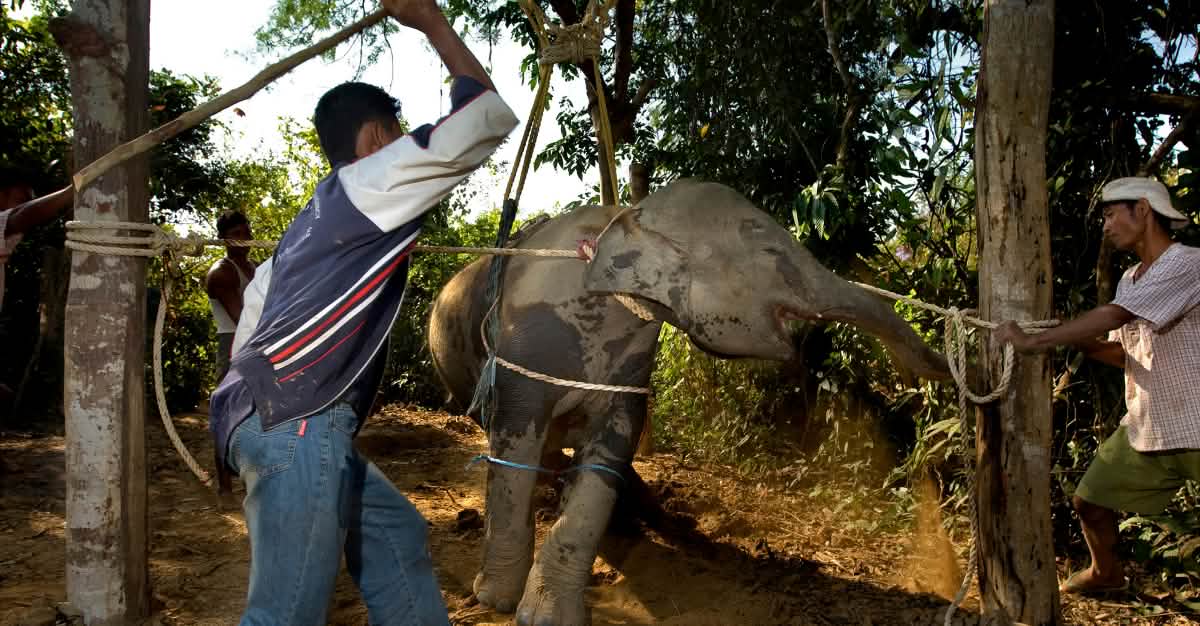
One common example is elephant riding. While riding an elephant may seem like a harmless cultural experience, many elephants used in tourism endure a brutal training process known as "the crush," in which young elephants are physically restrained and subjected to punishment to make them obedient to humans. Even after training, carrying tourists on their backs for hours each day can cause long-term physical injuries.
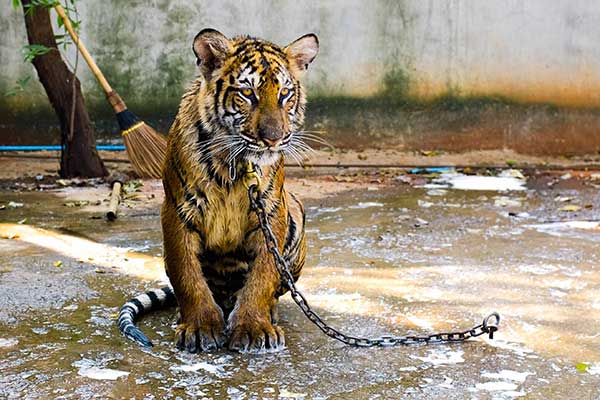
Similarly, tiger petting attractions often rely on practices that keep large predators unnaturally docile. Animals may be sedated, deprived of stimulation, or subjected to stressful handling by hundreds of visitors every day. Once they become too large or difficult to manage, their futures are often uncertain.
Marine attractions can also raise serious welfare concerns. Captive dolphin encounters and swim-with-dolphin programs frequently confine highly intelligent, social animals to small artificial environments. Dolphins that naturally travel dozens of miles each day are restricted to pools where they cannot engage in normal behaviors.
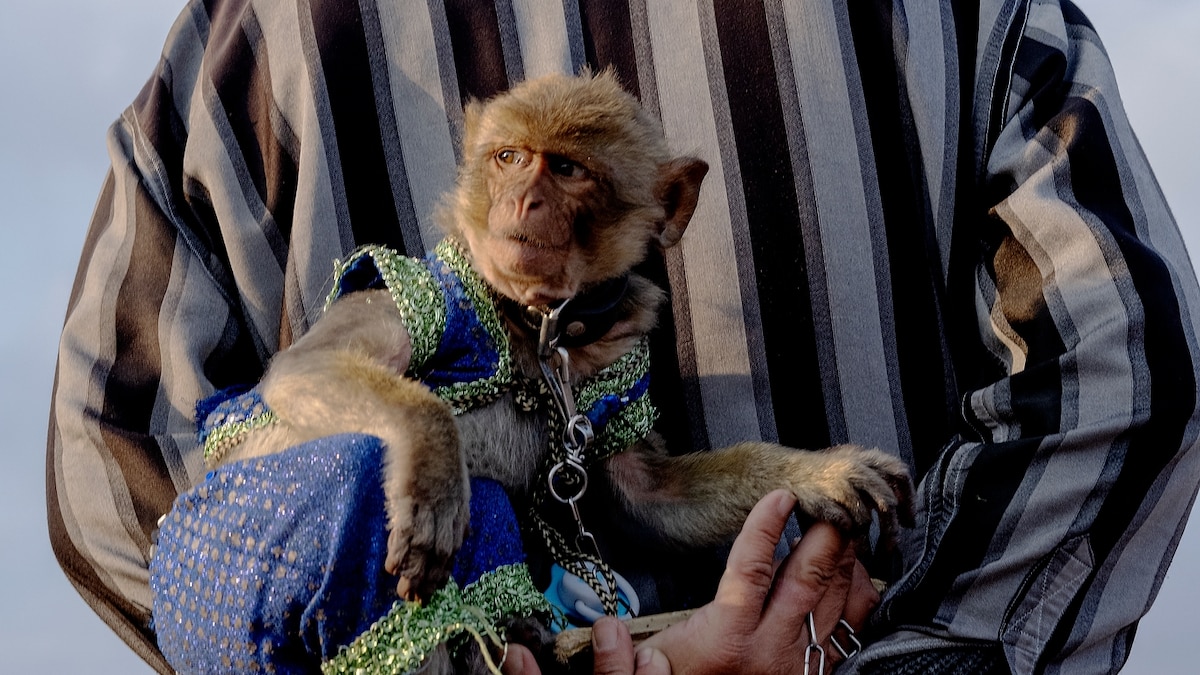
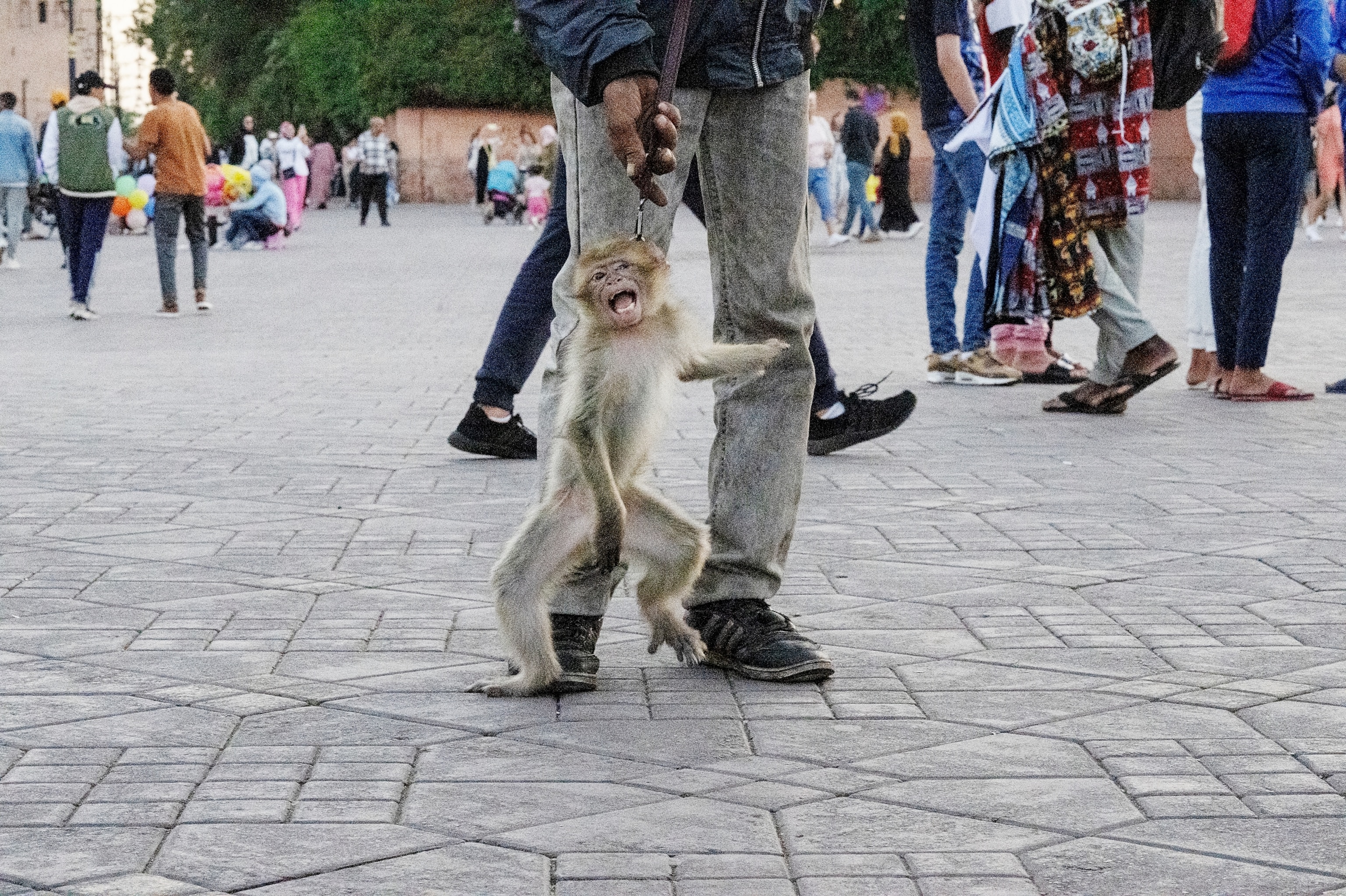
Even seemingly harmless opportunities to take selfies with exotic animals can contribute to cruelty. Sloths, monkeys, parrots, and other wildlife are often captured from the wild and forced into constant contact with tourists. Many suffer from stress, injury, poor nutrition, and inadequate veterinary care.
The Problem with Fake Sanctuaries
Perhaps one of the most troubling aspects of animal tourism is the rise of facilities that call themselves sanctuaries without actually operating as such. A true sanctuary exists primarily for the benefit of the animals. A fake sanctuary exists primarily for the benefit of paying visitors.
Many facilities use terms like "rescue center," "orphanage," or "sanctuary" as marketing tools while continuing to breed animals, allow direct contact, or exploit them for entertainment. Tourists may unknowingly support these operations because they believe they are helping animals.
This is why research before visiting an attraction is so important.
What Ethical Animal Tourism Looks Like
Ethical wildlife experiences prioritize the physical and psychological well-being of animals above visitor entertainment. While no facility is perfect, responsible organizations generally share several key characteristics.
Animals Come First
Ethical facilities design experiences around the needs of the animals rather than the desires of visitors. Animals are allowed to choose whether they interact with people, and their daily routines are not disrupted for entertainment.
No Direct Contact
A good rule of thumb is that if you can ride, hug, hold, bathe, feed, or pose with a wild animal, the attraction are not be ethical. Most legitimate sanctuaries maintain safe distances between animals and visitors to reduce stress and prevent unnatural behaviors.
Focus on Rescue, Rehabilitation, and Conservation
Responsible organizations often care for injured, orphaned, confiscated, or otherwise displaced animals. When possible, they work toward rehabilitation and release. In cases where release is not feasible, they provide lifelong care in environments that allow animals to express natural behaviors.
Natural Habitats and Enrichment
Animals should have access to large, species-appropriate environments that encourage exploration, social interaction, and natural activities. Facilities that prioritize enrichment help animals maintain their physical and mental health.
Openness and Transparency
Reputable sanctuaries are transparent about their finances, operations, and the origins of the animals in their care. They willingly answer questions and provide detailed information about their mission, veterinary care, and conservation efforts.
Educational Rather Than Entertaining
Ethical attractions focus on educating visitors about wildlife, conservation challenges, and habitat protection. The goal is to inspire respect for animals, not to create opportunities for social media content.
Questions to Ask Before You Visit
Before booking an animal-related activity, consider asking:
- Can visitors touch, hold, ride, or take photos with the animals?
- Does the facility breed animals?
- Where did the animals come from?
- Is conservation or rehabilitation part of the organization's mission?
- Are animals allowed to exhibit natural behaviors?
- Does the facility have accreditation from reputable animal welfare organizations?
- Is the primary focus education and care rather than entertainment?
If answers are vague or difficult to find, that may be a warning sign.
How Travelers Can Make a Difference
Every tourism dollar is a vote for the kind of world we want to support. When travelers choose ethical wildlife experiences, they help create demand for higher welfare standards and discourage exploitative practices. Responsible tourism can provide funding for conservation, rescue efforts, habitat protection, and community education while allowing visitors to appreciate animals in a respectful way.
The most meaningful wildlife encounters often happen when animals are allowed to simply be animals. Watching elephants roam freely, observing sea turtles nesting on a protected beach, or seeing wild primates in their natural habitat may not provide the perfect selfie, but these experiences foster a deeper appreciation for the natural world and the importance of protecting it.
As wildlife tourism continues to grow, travelers have the power—and the responsibility—to ensure that their adventures contribute to conservation rather than exploitation. By choosing ethical animal tourism, we can help create a future where both animals and people benefit from our desire to connect with the natural world.
What is not ethical:
- Animals (commonly big cats like tiger, lions, and cheetahs) being drugged.
- Animals kept in collars and chains.
- Allowing the public to interact with wild animals.
- Not releasing animals to the wild (that are able to).
- Animals performing unnatural behaviors (circuses, wearing clothes, riding bikes, etc.)
- Lets the public ride them (camels, elephants, donkeys, etc.)
- Animals were purchased or taken from the wild.
Every photo below is from common tourist attractions. All of the are abusive; none of them are okay.