Choosing an ethical wildlife sanctuary requires looking beyond marketing materials and photo opportunities. Truly reputable sanctuaries operate with transparency, prioritize animal welfare, and remain committed to conservation and education.
One of the clearest signs of an ethical sanctuary is openness. Responsible facilities are transparent about their finances, daily operations, and the backgrounds of the animals in their care. They are willing to answer questions, share information about their mission, and explain how donations are used to support animal welfare and conservation efforts.
Many sanctuaries strive to rehabilitate animals and, when possible, return them to the wild. While release is often the ideal outcome, it is not always feasible. Animals that have spent significant portions of their lives in captivity may lack the survival skills necessary to thrive in the wild, and releasing them can sometimes disrupt delicate ecosystem balances. Ethical sanctuaries recognize these challenges and focus on rescue, rehabilitation, and lifelong care when release is not in the animal's best interest. Facilities that prioritize these goals over breeding programs or entertainment opportunities are generally more trustworthy.
Another hallmark of a reputable sanctuary is limited visitor interaction. Although close encounters with wild animals may be appealing to guests, such interactions can be stressful for the animals and may lead to health problems, behavioral changes, or unnecessary distress. Ethical sanctuaries often restrict physical contact, maintain strict visitor guidelines, and limit guest numbers to ensure animal welfare remains the top priority.
Education also plays a vital role. The best sanctuaries use their facilities as opportunities to teach visitors about wildlife conservation, habitat protection, and the importance of preserving biodiversity. Rather than treating animals as attractions, they encourage guests to develop a deeper understanding of the environmental challenges many species face.
Financial accountability is equally important. Reputable organizations are transparent about fundraising efforts and donation management and can provide documentation demonstrating how funds are allocated. This level of accountability helps build trust with supporters and ensures resources are being used effectively.
Partnerships and accreditations can provide additional reassurance. Sanctuaries affiliated with respected organizations such as the Global Federation of Animal Sanctuaries (GFAS) often adhere to rigorous standards of animal care and management. Collaborations with conservation groups, wildlife agencies, and environmental organizations can also indicate a strong commitment to ethical practices.
The people caring for the animals matter as well. Ethical sanctuaries employ knowledgeable staff with expertise in animal behavior, veterinary care, rehabilitation, and husbandry. Their experience helps ensure that animals receive appropriate care tailored to their physical and psychological needs.
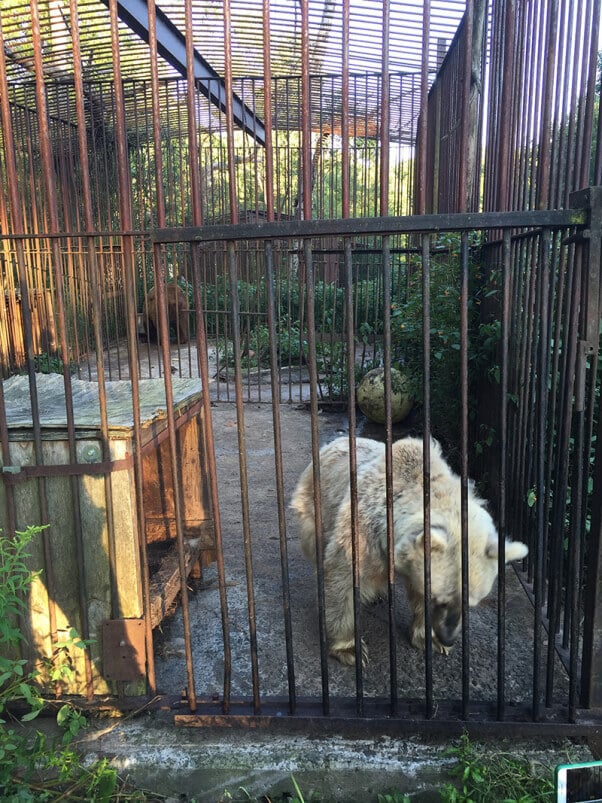
Finally, responsible sanctuaries work to create environments that closely resemble the animals' natural habitats. Enclosures should provide enrichment, opportunities for natural behaviors, and conditions that support the animals' overall well-being.
As travelers and animal lovers, it is important to recognize that our desire for close encounters with wildlife helps drive an industry that can have serious consequences for animal welfare. Many of us dream of connecting with the animals that inspired us as children, but fulfilling that desire often comes at a cost to the animals themselves. By making informed choices and supporting ethical sanctuaries, we can help ensure that wildlife is treated with dignity and respect. Sometimes the most responsible way to appreciate an animal is not through direct interaction, but by giving it the space and care it deserves.